Introduction
When it comes to construction, the materials used are just as important as the skills of the tradespeople involved. In masonry, the choice of materials can significantly impact the durability, aesthetics, and overall integrity of a structure. Licensed masons are well-versed in selecting the right materials for specific projects—whether that’s a cozy backyard patio or a grand commercial building. This article will take you on an enlightening journey through the diverse world of masonry materials. Buckle up; we're about to explore different types of materials used by licensed masons!
Understanding Masonry and Its Importance
Masonry is not just about stacking bricks; it's an art form that combines functionality with aesthetic appeal. But what does masonry really entail?
What is Masonry?
In simple terms, masonry refers to the building technique that involves assembling various units—be it bricks, stones, or concrete blocks—to create structures. Licensed masons employ various techniques to ensure these units fit together seamlessly.
Why is Masonry Important?
Masonry structures are known for their durability and strength. They can withstand harsh weather conditions and provide excellent thermal insulation. Moreover, they add a timeless charm to any property.
Role of a Masonry Contractor
https://theindustry.blog/construction/masonry-contractor-what-they-do-and-why-you-need-oneA masonry contractor plays a pivotal role in ensuring that projects are executed efficiently and effectively. They have extensive knowledge about materials and techniques, making them indispensable in construction.
Exploring Different Types of Materials Used by Licensed Masons
Now that we've laid down some groundwork let's dive into the nitty-gritty—the materials! Licensed masons use a variety of substances to construct their masterpieces. Here are some popular choices:
1. Bricks: The Classic Choice
Types of Bricks: A Closer Look
Bricks come in various types—clay bricks, concrete bricks, and fly ash bricks—each serving different purposes based on their properties.
Advantages of Using Bricks
Bricks are durable and low-maintenance, making them suitable for both exterior and interior applications.
Disadvantages of Bricks
While they offer many benefits, bricks can be heavy and may require skilled labor for installation.
2. Natural Stone: Nature’s Gift
Types of Natural Stone
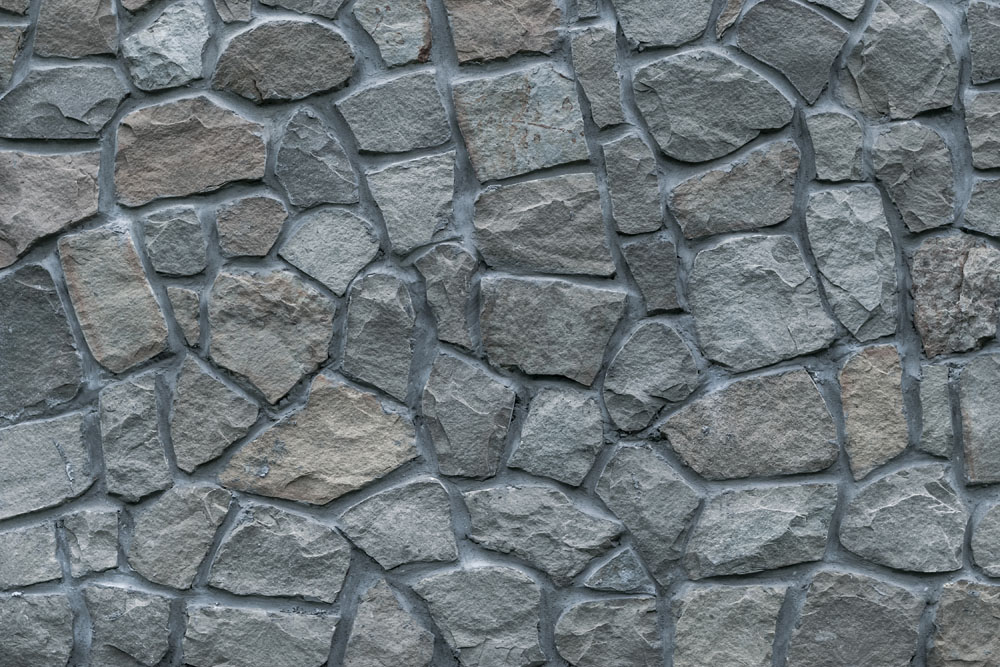
Natural stone includes granite, limestone, marble, and sandstone—ideal for high-end projects due to their aesthetic appeal.
Benefits of Natural Stone
Natural stone is incredibly durable and adds elegance to any structure.
Challenges with Natural Stone
The cost can be prohibitive for some projects, but when looking for beauty combined with durability, natural stone is hard to beat.
3. Concrete Blocks: The Modern Marvels
What Are Concrete Blocks?
Concrete blocks are manufactured units made from cement and aggregates.
Pros of Using Concrete Blocks
They are cost-effective, easy to handle, and offer excellent insulation properties.
Cons Associated with Concrete Blocks
While effective in many applications, concrete blocks may not have the same aesthetic appeal as natural stone or brick.
4. Mortar: The Unsung Hero
What is Mortar? Why Do We Need It?
Mortar binds different masonry units together while filling gaps between them.
Types of Mortar Mixes
There are several types including Type N (general-purpose) and Type S (high-strength), each suited for specific applications.
5. Glass Block: A Trendy Option
The Rise of Glass Block in Masonry Projects
Glass blocks are becoming increasingly popular for unique design elements such as windows or walls while allowing light infiltration without sacrificing privacy.
Analyzing Advanced Materials Used by Licensed Masons
As technology progresses, so do the materials available for licensed masons! Let’s explore some cutting-edge options:
6. AAC (Autoclaved Aerated Concrete)
AAC blocks offer lightweight yet robust solutions for insulating walls effectively while being eco-friendly.
7. Thin Brick Veneer: Style Meets Functionality
Thin brick veneer provides all the aesthetics of traditional brick without the added bulk—it’s perfect for interior wall designs!
Sourcing Quality Materials: How Do Licensed Masons Choose?
Selecting quality materials isn’t just about looks; it’s also about performance! Here’s how licensed masons go about sourcing:
1. Local Suppliers vs Online Options
Many licensed masons prefer local suppliers who offer quick delivery times and personalized service—but online options can often provide better pricing or rare items!
2. Evaluating Material Quality
Licensed masons don’t compromise on quality—they check certifications to ensure compliance with building codes!
FAQs on Masonry Materials
li1/ol1/li2li2/ol2li3# Can I mix different types of stones?- Absolutely! Mixing stones can create unique visual effects as long as they share similar characteristics regarding moisture absorption rates.
- Regular cleaning with water will help preserve your brick's appearance; avoid acid-based cleaners as they might damage the surface.
- With proper maintenance (and assuming no extreme environmental impacts), concrete block structures can last 50 years or more!
Conclusion
In summary, exploring different types of materials used by licensed masons reveals an intricate balance between artistry and engineering—a combination that has stood the test of time throughout human history! Whether you’re building a simple garden wall or embarking on an elaborate commercial endeavor—a skilled masonry contractor will guide you through selecting the right material tailored just right for your needs!